


Article
Underground Allies for Stronger Soils
by Dr Ash Martin PhD BSc(For)Hons
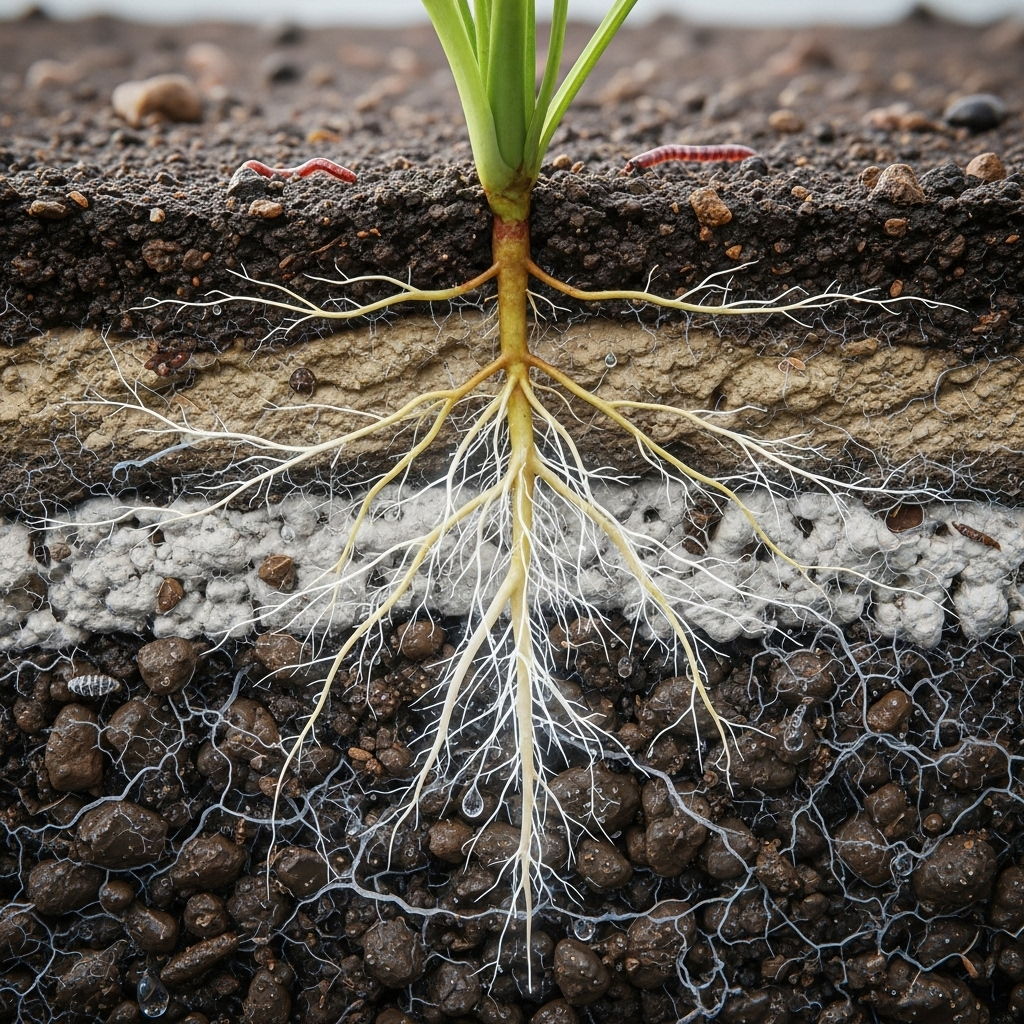
Soil fertility isn’t just about nutrients—it’s also about structure, biology, and how everything works together underground. VAM are key players in this system, helping soils stay stable, fertile, and productive. This review explored how VAM improve the physical, chemical, and biological qualities of soil.
What they did: Researchers pulled together findings from dozens of studies on VAM (aka Arbuscular Mycorrhizal Fungi, AM Fungi or AMF), focusing on how these fungi influence soil structure, nutrient cycling, and microbial activity. They compared outcomes across different crops and soil types to see where VAM make the biggest difference.
What they found:
- Better soil structure: VAM produce glomalin, a sticky protein that binds soil particles, improving aggregation and reducing erosion.
- Nutrient unlockers: They boost phosphorus availability and help plants access nitrogen, zinc, and copper more efficiently.
- Water management: Improved soil aggregation increases water infiltration and retention, helping crops through dry spells.
- Microbial teamwork: VAM stimulate beneficial soil microbes, creating a more active and balanced soil community.
- Reduced fertiliser dependence: With VAM, crops often need less synthetic phosphorus fertiliser to achieve the same yields.
What this means for you:
- Encouraging VAM through reduced tillage, cover crops, and diverse rotations can cut fertiliser costs and improve resilience.
- Protecting soil biology by avoiding over‑fertilisation and minimising disturbance helps VAM thrive.
- VAM inoculants or bio‑fertiliser blends can be a practical way to boost nutrient efficiency and soil health.
- Promoting VAM activity improves soil stability, water retention, and long‑term land productivity.
VAM aren’t just microscopic passengers—they’re active partners in building fertile, resilient soils. By working with them, growers can improve yields, reduce input costs, and future proof their land against climate and market pressures.
> Want to know how active VAM are in your own paddocks? Test your VAM levels and VAM-related soil structure with our VAM Wise for Soil, VAM Wise for Plants (Annuals), VAM Wise for Plants (Perennials) and Structure Wise tests to get a clear picture of your soil’s VAM potential.
Read the full article:
Fall et al. (2022). Roles of arbuscular mycorrhizal fungi on soil fertility: Contribution in the improvement of physical, chemical, and biological properties of the soil.
(Requires PDF viewer)