


Article
Are Your Biostimulants Actually Working? How to Get the Best Results for Your Crops
If you’re a farmer or agronomist who’s already exploring biostimulants, you will know that they are able to promote plant growth by themselves or by adding additional fertilizers or soil improvers. But if your results with biostimulants have been inconsistent, or you’re not sure whether your product is even doing what the label claims, there might be a reason why.
The most common mistake we see with our clients who use biostimulants is that they treat it like a conventional fertiliser, where they apply and leave it. But biostimulants are “alive” or need more than one factor to work and respond to what’s around them, which means results vary from paddock to paddock, season to season, farm to farm.
Keep reading to discover what biostimulants actually do in your soil, the four factors that determine whether they work effectively for you, and how to verify your product is performing before and after application.
What are biostimulants?
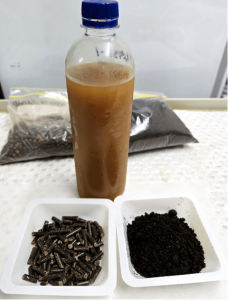
Biostimulants include a wide range of molecules, products, etc., that are not considered fertilizers in the strict definition. They are living products applied to soil or crops to improve nutrient uptake, soil structure, and crop yield. Unlike fertilisers that feed plants directly, biostimulants work by activating and supporting the microbial systems already present in your soil.
In harsh Australian farming conditions, understanding what your biostimulant is actually delivering, and whether it’s surviving long enough to do its job, could prevent you from losing money on a product that isn’t working.
How biostimulants improve your crop yield
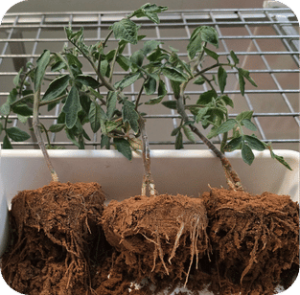
Biostimulants provide several “services” to crop systems, and can be categorised into:
Amino acids and organic nutrients
These support plant growth by acting as protein building blocks to help plants recover from environmental stress.
Enzymes (including acid and alkaline phosphatases)
These unlock soil nutrients by impacting phosphorus levels in the soil, and their activity can be affected by moisture levels and temperature.
Humic & Fulvic Acids
These stimulate root development by improving soil structure, breaking down organic matter and increasing availability of nutrients.
Plant hormones (including IAA, cytokinins, and auxins)
These regulate plant growth and development by impacting cell division and elongation, forming of roots and shoots, plus fruiting.
The good news is most of these can be measured at our lab with these tests:
Salmonella and E.coli
CountWise Pro (microbial counts)
VAMWISE (mycorrhizal fungi)
That means you don’t have to guess and you can know whether your biostimulant is doing its job.
Four factors that determine your biostimulant results
Since biostimulants are living products, the results can differ from person to person, depending on these four main factors.
Environmental conditions
Soil pH, compaction, moisture levels, and irrigation practices all affect how well microbial populations in biostimulants survive and function.
Nutrient management compatibility
Not all organic fertilisers are compatible with biostimulants. Some organic inputs can suppress or kill the microbial populations you’re trying to introduce.
Product formulation and application timing
Not all biostimulant formulas can be mixed or applied year-round. Liquid biostimulants like compost teas or compost juices can have different levels of microbial populations. Add soils into this mix and it varies even more!
Crop type
Some crops respond strongly to biostimulants; others show little to no yield response. Understanding which crops and growth stages benefit most from adding biostimulants ensures that you’ll get the most impact out of these products.
What we learnt after testing 100+ biostimulants
We tested more than 100 biofertilisers (liquid, solid, and compost-based) for growers and manufacturers across Australia, and the results were eye-opening!
- Over 90% of overseas inoculants failed to match declared microbial concentrations
- Most liquid biofertilisers were bacteria-dominant
- Finished composts were generally safe to use and rarely contaminated with human pathogens
- Harsh Australian environmental conditions for farming impacted microbial survival, so biostimulants appeared to fail, when the issue was application or storage
With such a difference in results, we recommend testing your biostimulants before you apply compost, solid or liquid biofertilizers, or ask the manufacturer to provide the testing results according to Australian Standards.
Final words
Biostimulants do help to improve crop growth, soil structure and nutrient uptake, but only when the conditions are right and the product is what it claims to be. If you’re trialling them for the first time, or had inconsistent results in the past, testing is the fastest way to know whether the problem is the product itself, or due to poor application methods or storage.
If you’re not sure where to start, our team is ready to help you build a biostimulant strategy that suits your soil and your crops. Call us on (08) 7127 8982 or explore these tests we recommend for testing biostimulants.
Click below to read the in-depth articles on Biostimulants:
European Biostimulants Industry Council (EBIC). (2024).
(Requires PDF viewer)
Not sure which tests to ask for?
Use our selector to find out exactly which tests you need
We’ve designed a selector that will help you choose exactly the right tests to meet your specific requirements: